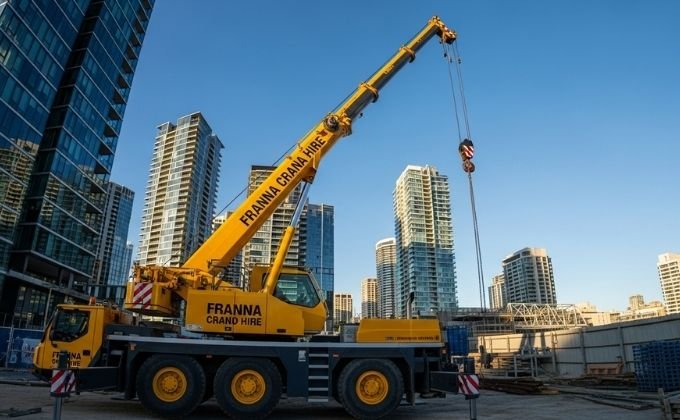
Choosing the right tower crane for your construction site is a critical decision that can significantly impact the efficiency, safety, and overall success of your project. Tower cranes are indispensable for lifting heavy materials, equipment, and machinery to great heights, especially on large-scale construction sites. However, selecting the wrong crane can lead to delays, safety risks, and unnecessary costs. Whether you are considering tower crane hire or purchasing one, understanding the key factors that influence the right choice is essential.
Understand the Types of Tower Cranes
Before diving into specifications and capacities, it is crucial to understand the different types of tower cranes available. The main types include:
- Hammerhead Cranes – Recognizable by their fixed horizontal jib and rotating slewing unit, hammerhead cranes are ideal for large, high-rise construction projects requiring long reach and heavy lifting capacity.
- Luffing Jib Cranes – These cranes have a jib that moves up and down rather than rotating horizontally. They are perfect for sites with limited space as they can lift loads vertically without needing a large swing radius.
- Self-Erecting Cranes – Often smaller and more flexible, these cranes are typically used for medium-sized projects or sites with space constraints. They can be assembled on-site without the need for additional lifting equipment.
Knowing the type of crane that suits your site’s layout and project scale is the first step in making an informed decision.
Evaluate Site Requirements
The physical conditions of your construction site play a pivotal role in selecting the appropriate crane. Consider these factors carefully:
- Site Size and Layout – A congested urban site may require a crane with a smaller footprint or a luffing jib design to minimize the swing radius. On the other hand, open sites allow for larger hammerhead cranes with extended reach.
- Ground Conditions – Tower cranes require stable foundations. Soil strength, underground utilities, and site accessibility should be evaluated to ensure safe installation.
- Height Requirements – Determine the maximum height to which materials need to be lifted. High-rise projects demand cranes capable of extending several hundred feet, sometimes with additional mast sections added as the building rises.
By assessing these site-specific factors, you can narrow down the crane models suitable for your project.
Consider Load Capacity and Reach
Two of the most critical specifications when choosing a tower crane are load capacity and jib length:
- Load Capacity – Always select a crane that can safely handle the heaviest loads your project requires, with an additional safety margin. Overloading a crane can result in accidents, mechanical failure, or delays.
- Jib Length (Radius) – The jib length determines the reach of the crane and how far it can extend materials from the tower base. Ensure the crane’s reach covers all necessary areas of the construction site without repositioning.
If your project involves lifting exceptionally heavy items, consulting with a crane hire company can provide insights into the best crane models that meet both lifting and reach requirements.
Review Safety Features and Compliance
Safety is non-negotiable when operating tower cranes. Modern cranes come equipped with advanced safety systems, including:
- Load moment indicators (LMI) that prevent overloading.
- Anti-collision technology to avoid contact with nearby structures or other cranes.
- Wind speed monitoring systems to reduce risks during adverse weather.
Additionally, ensure the crane meets local and national regulations, and that operators are certified to handle the specific crane type.
Assess Operational and Maintenance Requirements
Tower cranes are complex machinery requiring regular maintenance and skilled operation. Consider the following:
- Ease of Operation – Some cranes offer more intuitive controls, automation, or remote operation capabilities, which can improve efficiency.
- Maintenance Accessibility – Evaluate how easy it is to service the crane on-site. A crane with readily accessible components reduces downtime and long-term costs.
- Fuel or Power Requirements – Some tower cranes are electric, while others use diesel or hybrid systems. Match the power source to your site’s infrastructure.
These factors affect not only operational efficiency but also your budget and project timeline.
Financial Considerations: Hire vs Purchase
Deciding between purchasing a tower crane or opting for tower crane hire depends on the scale and frequency of your projects:
- Tower Crane Hire – Ideal for short-term projects or when multiple crane types are needed at different stages. Hiring reduces upfront costs, provides flexibility, and often includes maintenance and support from the rental company.
- Purchasing – Suitable for long-term, large-scale projects where frequent crane use justifies the initial investment. Ownership gives complete control but requires ongoing maintenance and storage solutions.
Engaging with a reputable crane hire company can provide expert advice tailored to your project’s needs, helping you select the best crane without overcommitting financially.
Plan for Logistics and Assembly
Lastly, consider the logistics of transporting and erecting the crane. Tower cranes require specialized transport and assembly teams, particularly for high-capacity or tall models. Ensure the site can accommodate assembly equipment and that there are no obstructions, such as nearby buildings or power lines, that could complicate installation.
Conclusion
Selecting the right tower crane involves a careful balance of site requirements, load capacity, reach, safety features, operational needs, and financial considerations. For most projects, especially those of limited duration or varied requirements, opting for tower crane hire offers flexibility, expert support, and cost-effectiveness. By analyzing your project’s unique demands and working with experienced crane suppliers, you can ensure that the crane you choose will enhance productivity, safety, and overall project success.
Leave a Reply